Crossing international borders with goods is more accessible than ever — but the details matter. A missed document or miscalculated duty can turn a profitable deal into a costly lesson. Here is what first-time importers and exporters need to know.
Know your HS code
Every product that crosses a border has a Harmonised System (HS) code — a standardised number that determines tariff rates and import restrictions. Getting this wrong delays shipments and can result in penalties.
Understand Incoterms
Incoterms define who is responsible for freight, insurance, and delivery at each stage of the journey. EXW, FOB, CIF, DDP — these are not just acronyms; they determine your risk and your costs. Know which terms apply to your contract.
Documentation is everything
A typical international shipment requires a commercial invoice, packing list, bill of lading (or airway bill), certificate of origin, and — depending on the goods — additional permits or phytosanitary certificates. Missing one can hold your cargo at the port.
Choose the right freight partner
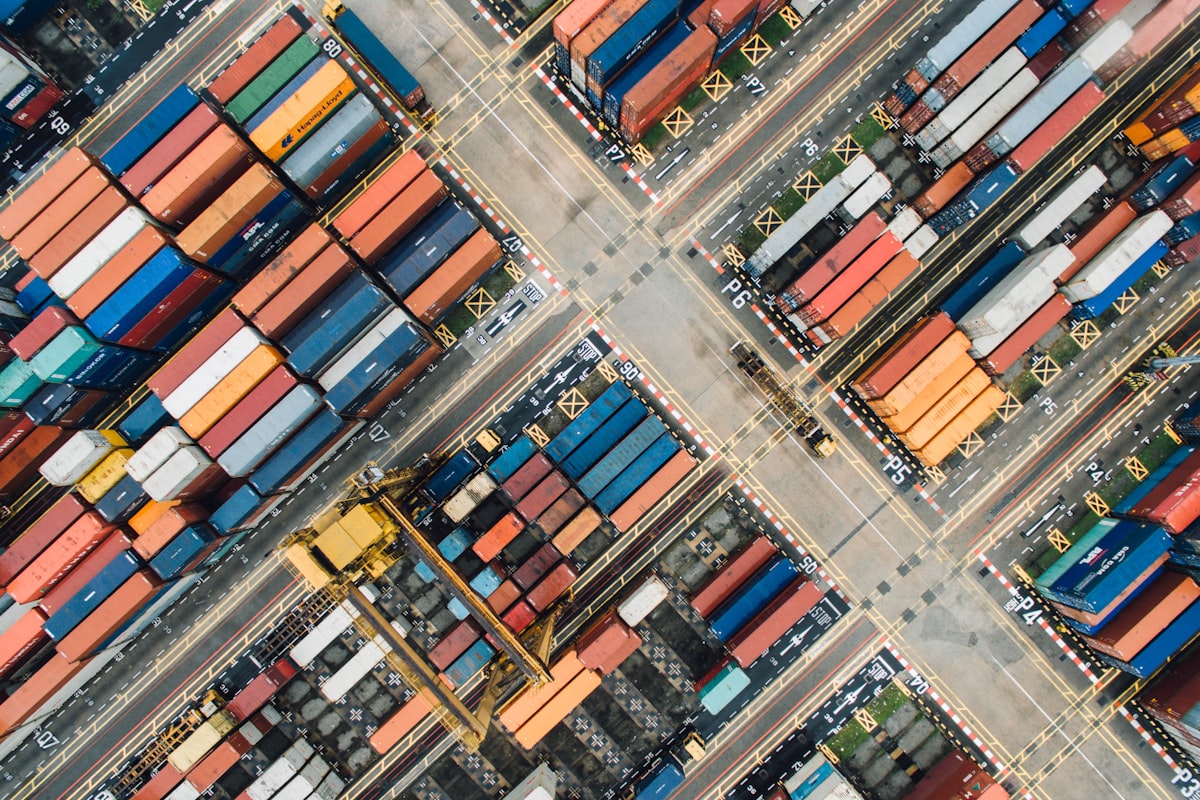
Sea freight is cheaper for large volumes; air freight is faster but expensive. For time-sensitive goods or smaller quantities, air or courier may make more business sense despite the cost premium.
How Chimbo helps
Our Trading & Logistics team manages the full end-to-end process — sourcing, documentation, freight booking, customs clearance, and last-mile delivery. You focus on your business; we handle the shipment. Learn more about our services.